Christmas Funny Saying SVG Design Review
As a designer who has spent years navigating the fine line between digital art and physical stitching, I approach every new asset with a critical eye. The holiday season is a double-edged sword for craft businesses; it offers massive volume but also brings intense competition. When I first opened the Christmas Funny Saying SVG Design, my immediate goal was to determine if this piece could survive the transition from a screen to a fabric surface without losing its charm or structural integrity.
The initial visual impression is one of lighthearted nostalgia. Unlike the overly ornate, heavy Victorian-style patterns that often dominate the market, this design leans into a modern, witty aesthetic. The layout feels balanced, suggesting that it will translate well into an embroidery project where clarity is king. However, as any experienced maker knows, what looks crisp on a monitor can become a tangled mess of thread if the stitch density isn't managed correctly. My review focuses on how this specific asset performs when moved from the realm of Graphics to the tangible world of Crafts.
From Screen to Stitch: A Real-World Test Scenario
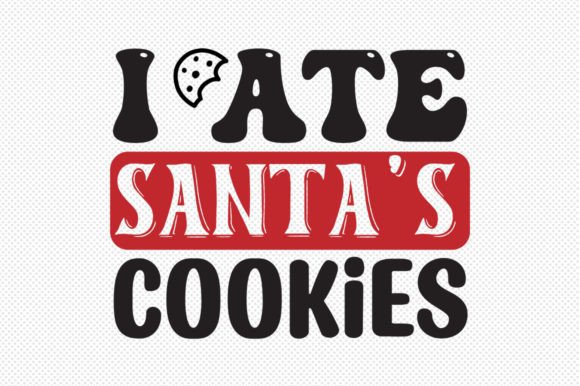
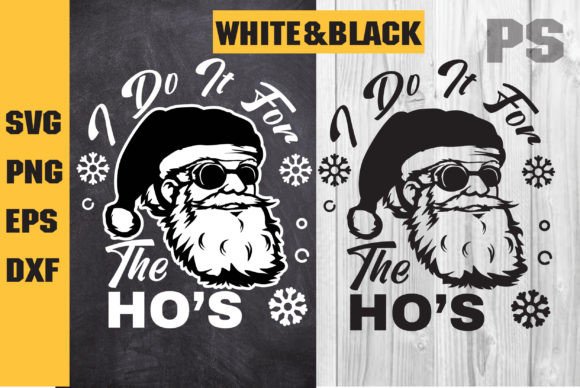
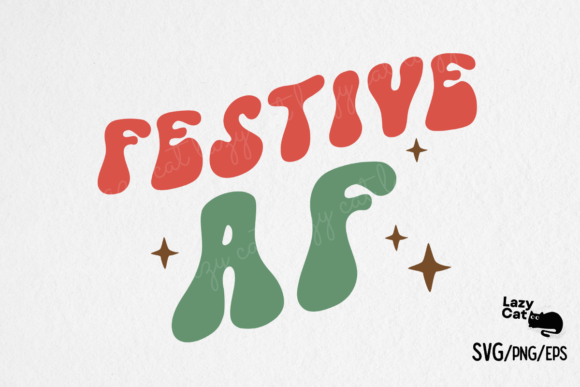
To truly evaluate the potential of the Christmas Funny Saying SVG Design, I imagined a specific client order: a custom embroidered sweatshirt for a local boutique owner launching a holiday collection. Sweatshirts are a staple for small business merchandise, but they present unique challenges due to their texture and stretch. The design features bold lettering paired with festive iconography, which suggests it would work exceptionally well as a chest logo or a back print on a heavy cotton blend.
In this scenario, the humor of the saying acts as the hook. Customers browsing an Etsy shop or a craft fair booth are looking for personality. A generic snowflake is nice, but a funny saying creates an emotional connection. When I visualize the finished product, the design holds up because the shapes are distinct enough to prevent "bleeding" of stitches, a common issue when digitizing complex text. If you plan to use this for custom apparel, the bold lines mean you can likely get away with a slightly lower stitch density while maintaining visibility, which saves time and reduces the risk of puckering on thicker fabrics like fleece or jersey.
Evaluating Versatility Across Different Projects
The true value of a digital asset lies in its adaptability. While the Christmas Funny Saying SVG Design shines on apparel, its utility extends further. I see significant potential for using this as an embroidered patch. Patches are currently trending for tote bags, denim jackets, and even baby items. Because the design appears to have clean edges and defined boundaries, it would be ideal for creating a satin-stitched border around the motif before filling the interior. This technique adds a professional touch that elevates a handmade product from a hobbyist item to a boutique-grade good.
For those focusing on home decor, such as pillow covers or kitchen towels, the design offers a playful contrast to traditional red-and-green palettes. Imagine a neutral beige tea towel featuring this design in a deep forest green or a vibrant rust color. The thread colors would pop against the natural fabric texture, making it a standout personalized gift. The file formats provided—SVG, PNG 300 dpi, and EPS—are versatile enough to allow you to test these concepts digitally before committing to expensive thread and fabric. You can create a high-quality printable mockup to showcase the design in your online store, giving customers a realistic preview of how the finished product will look in their homes.
Navigating Technical Challenges and Limitations
Despite its strengths, no design is universally perfect. There are specific situations where the Christmas Funny Saying SVG Design requires careful handling. If you intend to use this for baby embroidery, pay close attention to the size of the smallest details. Tiny letters or intricate flourishes can easily get lost or become difficult to remove if a mistake occurs during stitching. On delicate infant garments, you must ensure the hoop size is appropriate to avoid distorting the knit fabric. Using a water-soluble stabilizer is non-negotiable here to maintain the softness of the material.
Another area of caution is curved surfaces, such as caps or hats. While the design's general shape seems adaptable, text-based designs can sometimes warp when mapped onto a dome. If you are planning a cap run, I strongly advise testing the design on a scrap piece of fabric stretched over a curved form first. Check the running stitch quality along the curves to ensure there are no gaps or uneven tension. Additionally, on dark fabrics, the white or light-colored fill stitch might require multiple passes to achieve opacity, which increases the risk of fabric distortion. Always check the machine embroidery design settings to adjust pull compensation if necessary.
Practical Notes for Professional Execution
Before you commit this design to a large production run or list it as a core item in your craft business, follow these practical steps to ensure success:
- Test on Scrap Fabric First: Never skip this step. Run the embroidery file on a swatch of the exact fabric you intend to use. This allows you to verify the stitch density and make adjustments to underlay stitches.
- Check Thread Contrast: Ensure the chosen thread colors provide sufficient contrast against the background. A low-contrast design may look muddy once stitched, reducing the perceived value of the item.
- Inspect Small Details: Zoom in on the digital file to identify any areas where the lines are too thin. These areas may need manual widening in your digitizing software to prevent thread breakage.
- Verify Licensing: As a seller, you must confirm whether the license allows you to sell the finished product or just use it for personal projects. Do not assume commercial rights apply unless explicitly stated by the creator.
- Mockup in Black and White: Before finalizing, view the design in grayscale. This helps you spot any balance issues in the shading or weight of the elements that might not be obvious in full color.
Impact on Brand Consistency and Customer Trust
Ultimately, the decision to use the Christmas Funny Saying SVG Design impacts more than just a single item; it affects your brand's reputation. In the competitive world of commercial embroidery, consistency is key. A well-executed design signals professionalism and attention to detail. When a customer receives a sweatshirt or a tote bag where the stitching is tight, the colors are vibrant, and the joke lands perfectly, it builds trust. They are more likely to return for future purchases and recommend your shop to others.
Conversely, a poorly executed version of this design—where the text is illegible or the fabric is puckered—can damage your credibility. By taking the time to properly prepare the digital embroidery file, selecting the right stabilizer, and testing on various materials, you ensure that the final output meets high standards. This design offers a great opportunity to inject some fun into your holiday catalog, provided you treat it with the technical respect it deserves.
Whether you are a seasoned Etsy seller or a creative entrepreneur just starting out, assets like this can serve as excellent design assets for your portfolio. They bridge the gap between digital creativity and tactile craftsmanship. Just remember that the magic happens not just in the file download, but in the thoughtful execution of the embroidery project itself. With the right preparation, the Christmas Funny Saying SVG Design can become a bestseller in your shop, bringing smiles and style to your customers this holiday season.