Team Black History: A Designer's Review for Real Projects
As a designer who has spent years navigating the intersection of digital graphics and physical thread, I approach every new machine embroidery design with a specific set of questions. Does it translate well from screen to fabric? Will it hold up under the stress of a commercial run or the delicate touch of a baby garment? When I first opened the files for Team Black History, my immediate goal was to determine if this Graphics asset could truly serve as the centerpiece for a meaningful, high-quality handmade product.
First Impressions: Mood and Visual Weight
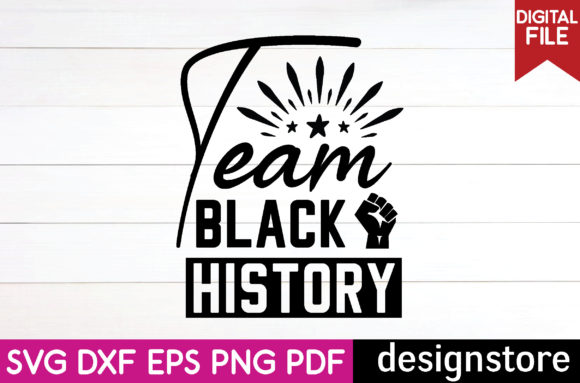
The moment you load Team Black History into your software, the visual personality is distinct. It carries a sense of unity and strength that is essential for designs celebrating heritage and community. The layout feels balanced, avoiding the cluttered look that often plagues commemorative graphics. For an embroidery project, this balance is critical. It suggests that the design will not get lost in the texture of a heavy sweatshirt or become muddy on a textured tote bag.
What stands out immediately is the potential for strong contrast. In the world of custom apparel, clarity is king. The shapes within Team Black History appear robust enough to be filled with dense fill stitch without losing definition, yet they likely have outlines that would benefit from a crisp satin stitch. This combination creates a professional finish that elevates a simple t-shirt into a statement piece. Whether you are planning a holiday embroidery collection or a year-round staple for your shop, the mood it sets is one of pride and solidarity, which resonates deeply with customers looking for more than just a generic print.
Testing the Waters: A Real-World Scenario
To truly understand the utility of this design, I imagined a specific scenario: preparing a custom embroidered tote bag for a local bookstore’s cultural event. The goal was to create a durable, reusable item that felt premium. I visualized placing Team Black History on a sturdy canvas tote. Because the design includes multiple file formats like SVG, PNG, DXF, PDF, and EPS, the flexibility to scale the image for a large bag versus a small patch is a significant advantage.
In this mental test, the stitch density becomes a focal point. If the design is too dense, the canvas might pucker; if it is too sparse, the thread might show through on dark fabrics. Given the nature of the graphic, I would anticipate using a mid-weight stabilizer to ensure the design lays flat. The result would be a finished product that feels substantial. Customers holding a bag with this design would likely perceive higher value, knowing it was stitched by hand rather than screen-printed. This perception is vital for any Etsy seller or small shop product owner trying to compete in a saturated market.
Navigating Fabric and Hoop Challenges
While Team Black History offers great versatility, experienced designers know that no design is universally perfect without adjustments. There are specific situations where caution is required. For instance, if you attempt to use this design on very thin or stretchy fabrics like jersey knit, the structural integrity of the stitches could cause distortion. In such cases, a tear-away or cut-away stabilizer is non-negotiable.
Another area to watch is the hoop size. If you are working on a curved surface like a cap or a small embroidered patch, you must verify that the design fits comfortably within your hoop without distorting the proportions. Squeezing a complex graphic into a tiny hoop can ruin the legibility of the text and the smoothness of the curves. Additionally, when using dark fabric, the choice of thread colors becomes paramount. A light-colored design needs a backing that prevents show-through, ensuring the vibrancy of the handmade product remains intact after multiple washes.
Textured fabrics, such as fleece or denim, present their own challenges. The uneven surface can sometimes catch the needle or disrupt the flow of the running stitch details. Always test the design on scrap fabric first. This simple step saves hours of frustration and wasted materials. Check how the threads settle into the weave of the material and adjust your tension settings accordingly.
Commercial Viability and Brand Consistency
For those running a craft business, consistency is the backbone of brand trust. Team Black History offers a cohesive look that can be applied across various items, from baby embroidery onesies to adult sweatshirt embroidery. This consistency helps build recognition. When a customer sees your logo or branding alongside this design on a pillow cover, a kitchen towel, or a personalized gift, it reinforces the quality of your work.
The availability of high-resolution files means you can also create stunning printable mockup images for your online listings. These visuals are crucial for digital product sellers and creative entrepreneurs who need to showcase the potential of the design before the customer buys. A clear, professional mockup increases buyer engagement and reduces hesitation. However, always remember to confirm the licensing terms. While the listing mentions the files are for instant download, you must ensure you have the right to sell finished items or use the design commercially if you plan to offer it as a service.
Practical Notes for the Embroidery Designer
If you decide to incorporate Team Black History into your workflow, here are a few practical steps to ensure success:
- Test on Scrap Fabric: Never skip the test run. Stitch it out on a swatch of the actual fabric you intend to use to check for puckering or thread breakage.
- Review Color Contrast: Ensure the thread colors pop against the background. High contrast improves readability and visual appeal.
- Inspect Small Details: Zoom in on the design file to check for tiny lettering or intricate corners that might require simplification for stitching.
- Use Proper Stabilizer: Match the stabilizer weight to the fabric thickness to support the stitch density.
- Check Licensing: Verify that the license allows for commercial use of finished goods if you are selling them as part of your inventory.
- Mockup in B&W: Test the design in black and white to see if the tonal values hold up without color distraction.
Ultimately, Team Black History is more than just a digital embroidery file; it is a tool for storytelling. When executed correctly, it transforms a plain piece of cloth into a symbol of identity and community. Whether you are creating a personalized gift for a friend or launching a new line of commercial embroidery products, the care you put into the execution will define the success of the project. By respecting the technical requirements of the machine and the aesthetic needs of the design, you can create a finished product that stands the test of time and honors the spirit of the theme.